
There's something truly magical about the warm, spiced aroma of Biscoff that fills your kitchen with cozy vibes. This Biscoff Cookie Butter Cake Recipe combines soft, moist layers with a luscious cookie butter frosting and a playful crunch of crushed Biscoff cookies in every bite—trust me, it’s a crowd-pleaser you’ll want to bake again and again.

Jump to:
Why You'll Love This Recipe
This cake hits all the right notes for me. It’s not just another sweet treat—it’s an experience. The way the Biscoff flavor infuses every layer, the silky, airy frosting, and the crunchy cookie bits make each slice feel special. I love baking it for friends and watching their eyes light up when they taste it.
- Flavor Explosion: Every bite is packed with that unique caramelized spice from the Biscoff spread and cookies.
- Texture Play: Soft, moist cake layers contrasted with crushed Biscoff for a delightful crunch.
- Frosting Magic: A whipped cookie butter cream cheese frosting that’s light, creamy, and melts in your mouth.
- Showstopper Appearance: The Biscoff drip and cookie decorations elevate this cake for any celebration.
Ingredients & Why They Work
Each ingredient here plays a key role to bring out that signature Biscoff cookie butter flavor, while ensuring the cake stays moist and tender. I always recommend using room temperature ingredients—you’ll get a smoother batter and a better rise. And don’t rush picking your Biscoff spread; a high-quality one can really up your flavor game.

- Unsalted Butter: Provides richness and keeps the cake tender; softened butter blends better with sugar for fluffier batter.
- Vegetable Oil: Helps maintain moistness, so the cake doesn’t dry out over time.
- Brown Sugar: Adds a deep molasses flavor that pairs perfectly with Biscoff spices.
- Granulated Sugar: Balances sweetness and helps with the cake’s structure.
- Sea Salt: A pinch enhances all the other flavors, balancing the sweetness.
- Vanilla Extract: Boosts flavor depth and complements the Biscoff taste.
- Eggs: Provide structure and moisture; room temperature eggs blend better with dairy and fats.
- Sour Cream: Adds moisture and a slight tang that keeps the cake from being too sweet.
- All-Purpose Flour: The main structure; make sure to measure properly to avoid dense cake.
- Baking Powder: Gives the cake lift for those light, fluffy layers.
- Cinnamon: Enhances the warm, spiced flavor profile.
- Milk: Adds moisture and helps dissolve the dry ingredients.
- Biscoff Cookies (Crushed & Whole): For texture and decorating—crushed inside, whole around and on top for that cookie crunch.
- Powdered Sugar: For a silky smooth frosting.
- Biscoff Spread: The star ingredient; adds that signature cookie butter flavor in both cake layers and frosting.
- Cream Cheese: Gives the frosting tanginess and creamy richness.
- Heavy Whipping Cream: Whips into the frosting for lightness and fluff.
Make It Your Way
One of the fun parts about this Biscoff Cookie Butter Cake Recipe is how easy it is to make it feel uniquely yours. Whether you prefer a more intense frosting swirl or want to add a little extra cinnamon to the layers, there’s room to play around.
- Variation: I’ve swapped out some of the all-purpose flour for almond flour once, which added a subtle nuttiness and made the cake a little denser but still delicious.
- Dietary Modification: For a dairy-free twist, use coconut cream instead of sour cream and dairy-free cream cheese; it changes the flavor subtly but keeps it moist.
- Seasonal Touch: A drizzle of caramel sauce instead of Biscoff spread on top adds a luscious pumpkin spice vibe perfect for fall.
Step-by-Step: How I Make Biscoff Cookie Butter Cake Recipe

Step 1: Creaming Butter and Sugars Together
Start by beating your softened unsalted butter, vegetable oil, brown sugar, granulated sugar, and sea salt until light and fluffy. This takes about 4-5 minutes with a stand or hand mixer. Creaming properly traps air that helps the cake rise—it’s worth taking your time here. As you mix, the combination of butter, oil, and sugars will create a beautiful, creamy base that smells sweet and inviting.
Step 2: Adding Eggs and Vanilla
Beat in the eggs one at a time, making sure each is fully incorporated before adding the next. Add in the vanilla extract here too. Using room temperature eggs helps prevent the batter from breaking or curdling. If your batter looks a little lumpy at this stage, that’s normal—just keep beating until smooth.
Step 3: Incorporate Dry Ingredients and Sour Cream
Sift the all-purpose flour, baking powder, and cinnamon together to ensure even distribution. Add these dry ingredients in batches, alternating with the milk and sour cream. Start and end with flour mixture. Mix gently but thoroughly after each addition to avoid toughening the cake. At this point, you’ll fold in the crushed Biscoff cookies—this adds that surprise crunch everyone raves about.
Step 4: Baking Your Cake Layers
Pour your batter evenly into greased and floured cake pans—this recipe usually calls for three 8-inch rounds. Bake at 350°F (175°C) for approximately 25–30 minutes. Check doneness by inserting a toothpick; if it comes out clean, you’re good to go. Let the cakes cool completely before frosting—you'll thank yourself for the easier layering later.
Step 5: Whip Up the Frosting
Using softened butter and cream cheese, beat them together until creamy. Add the Biscoff spread and powdered sugar gradually, whipping until light and fluffy. Then carefully fold in cold heavy whipping cream until you get a frosting that’s airy but stable enough to hold shape. This frosting is my favorite part—it’s heavenly and not too sweet with a silky texture.
Step 6: Assemble and Decorate
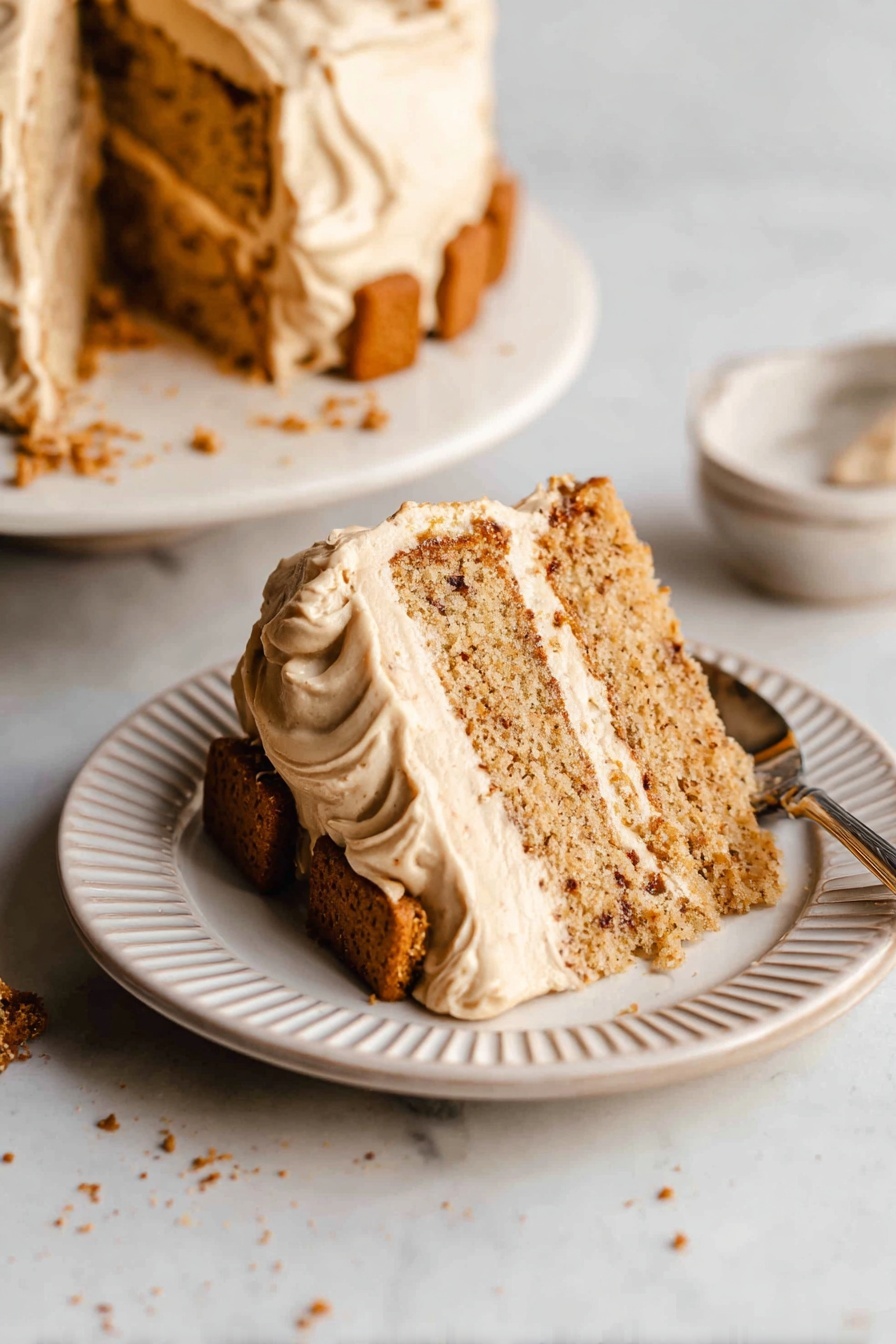
Stack your cooled cake layers with frosting in between, sprinkling those whole Biscoff cookies between layers for extra crunch. Frost the outside smoothly, then drizzle melted Biscoff spread over the edges for a gorgeous drip effect. Finally, decorate the base and top with whole cookies to add a rustic, yet polished finish.
Top Tip
This cake may look impressive, but the secret to success lies in patience and attention to detail, especially when it comes to mixing and cooling. I’ve learned that rushing through creaming or frosting stages can throw off the texture. Let me share a few tips that really made a difference for me:
- Softened Butter is a Must: Don’t skimp on this step! I pop my butter out about an hour before baking to get the perfect creaming texture.
- Crush Cookies Just Before Folding: Pre-crushing and storing can make the cookies soggy, so crush them fresh for maximum crunch.
- Whip Frosting Slowly: Start on low speed to avoid powdered sugar clouds, then ramp up for fluffy results.
- Let Cake Cool Completely: I’ve learned the hard way that frosting warm cakes leads to meltdown; patience here means stunning layers.
How to Serve Biscoff Cookie Butter Cake Recipe
Garnishes
I like to keep it simple but elegant—whole Biscoff cookies around the base and a few on top add texture and charm. A light dusting of cinnamon or a drizzle of melted Biscoff spread on top gives it that final, inviting touch. If I’m feeling fancy, sprigs of edible flowers can make it truly stunning.
Side Dishes
This cake stands beautifully on its own, but I love pairing it with whipped cream or a scoop of vanilla bean ice cream to mellow the spices. A cup of strong coffee or chai tea is my go-to beverage match because it complements the rich cookie butter flavor perfectly.
Creative Ways to Present
For birthdays or special occasions, I’ve turned this cake into a layered centerpiece with Biscoff cookie “crumb” scattered on top and edible gold leaf accents. Even arranging mini Biscoff cookie “flags” on toothpicks is a fun, easy way to heighten presentation and impress guests.
Make Ahead and Storage
Storing Leftovers
This cake keeps beautifully for up to 4 days in the fridge. I wrap it tightly in plastic wrap and store it in an airtight cake carrier to preserve freshness and prevent the frosting from absorbing fridge odors. Before serving leftovers, I let the slices sit at room temperature for about 30 minutes to soften the frosting.
Freezing
I’ve freeze-friendly tested this recipe by freezing unfrosted cake layers wrapped well in plastic wrap and foil. Thaw overnight in the fridge before frosting. The texture stays moist, and it’s a great way to prep ahead for parties.
Reheating
Because of the frosting, I avoid microwaving leftovers directly. Instead, I enjoy the cake at room temperature or, if you prefer it warm, heat a slice gently in a toaster oven for a few minutes—just enough to take the chill off without melting the frosting.
Frequently Asked Questions:
For the smoothest frosting texture, I recommend using classic smooth Biscoff spread. It incorporates more evenly, while crunchy versions can give an uneven texture with nutty chunks. However, if you love extra texture, crunchy is a fun twist in the cake layers themselves.
Yes! I’ve successfully made this cake by swapping all-purpose flour for a gluten-free baking blend, but make sure it contains xanthan gum or another binder. The texture will be slightly different, but the Biscoff flavor will still shine through.
Sour cream adds moisture and a slight tang, so a good substitute is plain Greek yogurt or crème fraîche in equal amounts. This works well without affecting the flavor too much and keeps your cake moist.
It’s best to let cake layers cool completely to room temperature, at least 1 to 2 hours, or chill for 30 minutes in the fridge. Frosting warm cake can cause it to melt and slide off, ruining the appearance and texture.
Final Thoughts
Making this Biscoff Cookie Butter Cake Recipe has become a joyful ritual in my kitchen, especially when I want to share a little something special with loved ones. It’s rich without being heavy, sweet without being cloying, and the layers of cookie butter goodness always bring smiles. If you’re ready to impress yourself and your guests, give this recipe a try—you’ll fall in love just like I did.
Print
Biscoff Cookie Butter Cake Recipe
- Prep Time: 30 minutes
- Cook Time: 30 minutes
- Total Time: 60 minutes
- Yield: 12 servings
- Category: Dessert
- Method: Baking
- Cuisine: American
- Diet: Vegetarian
Description
Delight in the rich and flavorful Biscoff Cake, featuring moist, fluffy layers infused with crushed Biscoff cookies and a light, creamy cookie butter cream cheese frosting finished with a luscious Biscoff drip. This cake combines the cozy spices of cinnamon with the unique caramelized flavor of Biscoff cookies, perfect for special occasions or indulgent treats.
Ingredients
Cake Ingredients
- 1 ½ cup unsalted butter (softened)
- ⅓ cup vegetable oil
- 1 ½ cup brown sugar (packed)
- ⅓ cup granulated sugar
- ½ teaspoon sea salt
- 1 tablespoon pure vanilla extract
- 7 large eggs (room temperature)
- ¾ cup sour cream (room temperature)
- 4 ¾ cup all purpose flour (570g)
- 3 ¾ teaspoon baking powder
- 1 ½ tablespoon cinnamon
- 1 cup milk (room temperature)
- 12 Biscoff cookies (crushed)
Frosting Ingredients
- 1 cup unsalted butter (slightly softened at room temperature for 30 minutes)
- 3-4 cups powdered sugar
- ¾ cup Biscoff spread (room temperature)
- 8 oz cream cheese (softened for 10 minutes at room temperature)
- 3-6 tablespoons heavy whipping cream (cold)
Decoration Ingredients
- ½ cup Biscoff spread (melted)
- 10 Biscoff cookies (for between layers)
- 8 Biscoff cookies (for around base)
- 8 Biscoff cookies (for top)
Instructions
- Prepare the Cake Batter: In a large mixing bowl, cream together the softened unsalted butter, vegetable oil, brown sugar, granulated sugar, and sea salt until light and fluffy. Add the vanilla extract and eggs one at a time, mixing thoroughly after each addition. Stir in the sour cream to combine well.
- Combine Dry Ingredients: In a separate bowl, whisk together the all-purpose flour, baking powder, and cinnamon. Gradually add these dry ingredients to the wet mixture, alternating with the milk, beginning and ending with the dry ingredients. Mix until smooth and fully incorporated.
- Add Crushed Biscoff Cookies: Fold in the crushed Biscoff cookies gently to distribute evenly throughout the batter without overmixing.
- Bake the Cake Layers: Preheat your oven to 350°F (175°C). Grease and flour three 8-inch round cake pans. Divide the batter evenly among the pans and bake for 30 minutes or until a toothpick inserted in the center comes out clean. Allow the cakes to cool completely in the pans for 10 minutes before turning out onto wire racks to cool fully.
- Prepare the Frosting: Beat the softened unsalted butter and cream cheese together until creamy and smooth. Gradually add powdered sugar and continue to beat. Mix in the Biscoff spread until well combined. Slowly add cold heavy whipping cream, 1 tablespoon at a time, until the frosting reaches a light, fluffy, and spreadable consistency.
- Assemble the Cake: Place one cake layer on your serving plate. Spread a layer of frosting on top and press 10 whole Biscoff cookies into the frosting layer. Add the second cake layer and repeat the process. Top with the final cake layer.
- Frost the Cake: Apply a crumb coat of frosting all over the cake and chill for 20 minutes. Then, frost the entire cake smoothly with the remaining frosting.
- Decorate the Cake: Warm the ½ cup melted Biscoff spread slightly and drip it over the edges and top of the cake for a decorative effect. Arrange 8 Biscoff cookies around the base of the cake and 8 cookies on top for garnish.
- Serve: Chill the cake for at least 30 minutes to firm the frosting and drip before serving. Slice and enjoy the flavorful layers with creamy frosting and crunchy Biscoff accents.
Notes
- This Biscoff cake is soft, moist, and packed with Biscoff cookie flavor in every bite, thanks to the crushed cookies in the batter and frosting.
- The frosting is whipped, light, and creamy, balanced perfectly with fluffy cake layers.
- If you want a stronger Biscoff flavor, add more Biscoff spread to the frosting or between the layers.
- For best results, ensure all dairy ingredients like eggs, sour cream, and milk are at room temperature before mixing.
- You can substitute vegetable oil with an all-neutral oil such as canola oil for a similar effect.
- Use a serrated knife to level the cake layers if they dome during baking for even stacking.
- Chilling the cake after crumb coating makes it easier to frost smoothly and reduces crumbs in the final coat.
- If you prefer a thinner drip, mix the melted Biscoff spread with a small amount of heavy cream.
- Store the cake covered in the refrigerator and allow it to come to room temperature before slicing for the best texture and flavor.
Nutrition
- Serving Size: 1 serving
- Calories: 1242 kcal
- Sugar: 80 g
- Sodium: 538 mg
- Fat: 71 g
- Saturated Fat: 34 g
- Unsaturated Fat: 24 g
- Trans Fat: 2 g
- Carbohydrates: 138 g
- Fiber: 2 g
- Protein: 16 g
- Cholesterol: 215 mg


Leave a Reply